Exploring Innovative Techniques to Handicap Services and NDIS Services for Enhanced Assistance
The landscape of handicap solutions and NDIS offerings is swiftly evolving. Ingenious techniques are emerging to improve support for people with specials needs. From the combination of innovative technologies to individualized treatment designs, each method plays an essential duty. Area interaction and cooperation among provider are equally essential. As these elements collaborated, they raise crucial questions about future directions and the effect on private empowerment. What might this mean for the future of handicap support?
Embracing Innovation in Handicap Providers
Accepting innovation has actually come to be essential in the world of special needs solutions, where technology plays a pivotal duty in boosting ease of access and support. Assistive modern technologies, such as speech acknowledgment software and wheelchair aids, enable individuals with disabilities to navigate their settings much more individually. Smart home devices, outfitted with voice-activated controls, help with everyday tasks, promoting freedom and convenience.
Telehealth services have likewise changed accessibility to medical care, permitting individuals to talk to professionals from another location, thus getting rid of geographical obstacles. Mobile applications designed particularly for handicap assistance provide customers with devices and sources tailored to their demands, promoting area involvement and understanding sharing.
Involvement Personalized Treatment Models for Specific Empowerment
As the landscape of handicap solutions advances, personalized care models become an essential strategy to empower people with special needs. These versions prioritize personalized assessments, making certain that solutions straighten closely with individual goals, choices, and capabilities. By concentrating on the specific conditions of each person, caregivers can create customized assistance plans that promote freedom and enhance high quality of life.
Including input from the individuals obtaining treatment is crucial, promoting a joint relationship in between provider and clients. This client-centered method not only enhances involvement but likewise builds trust fund, encouraging people to take an active duty in their treatment.
Individualized care versions can adapt to changes in an individual's needs over time, guaranteeing ongoing importance and assistance. By empowering individuals with customized techniques, these models considerably add to boosted results and an extra inclusive society, where everyone has the chance to grow.
Area Interaction and Assistance Networks
Community interaction and assistance networks regularly play a crucial role in improving the general wellness of individuals with specials needs. These networks offer crucial sources, cultivating connections that encourage people to take part totally in their communities. ndis providers cessnock. Engaging with neighborhood organizations, volunteer teams, and peer support group can develop a sense of belonging and lower isolation
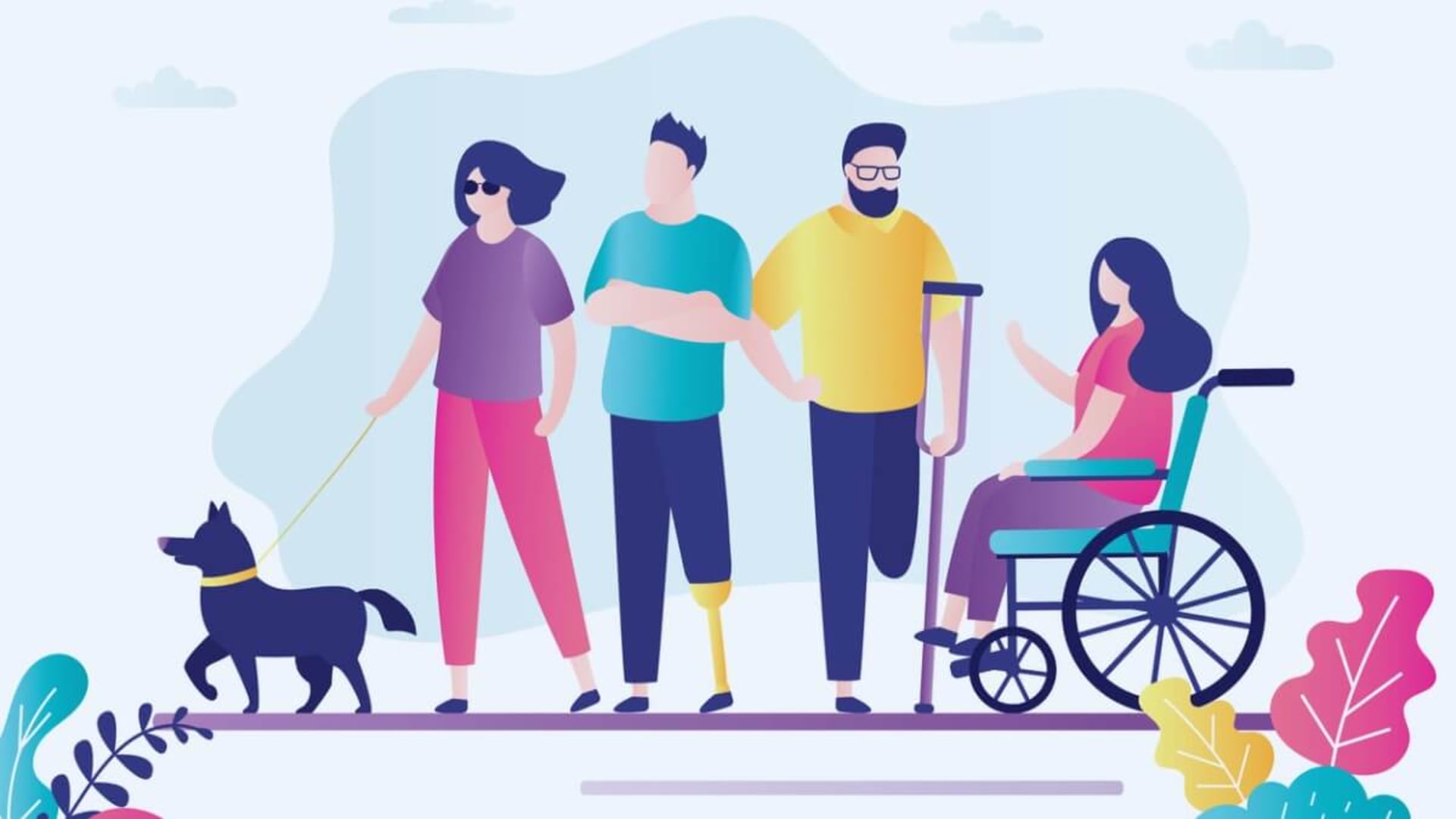
In addition, these networks encourage collaboration among family members, company, and neighborhood participants, bring about a more inclusive setting. By harnessing the strengths of diverse stakeholders, people with impairments can access a broader series of support alternatives, ultimately boosting their top quality of life and cultivating a more comprehensive culture
Collaborative Approaches Among Expert
Joint approaches amongst service providers are necessary for providing thorough assistance to people with disabilities. By fostering partnerships amongst different companies, company can share resources, understanding, and competence, boosting the total quality of care. Such collaboration enables for an extra integrated service delivery version, where clients get coordinated support customized to their unique demands.
In these cooperative frameworks, communication is important. Regular meetings and information-sharing platforms ensure that all stakeholders are straightened in their approaches and goals. This synergy not just enhances service performance but likewise improves the experience for people with handicaps and their families.
Collective techniques can lead to cutting-edge services, as varied perspectives usually inspire imaginative analytic. By functioning with each other, provider can browse obstacles better and advocate for systemic changes that profit their clients. Inevitably, these partnerships add to an alternative assistance system that equips people with disabilities to accomplish their objectives and enhance their lifestyle.
Enhancing Ease Of Access With Innovative Design
Cutting-edge style plays a crucial role in improving availability for people with specials needs. By applying universal style concepts and integrating assistive technologies, environments can be made more useful and comprehensive. This approach not just benefits individuals however also promotes a wider understanding of access in society.

Universal Style Principles
Universal Design Principles play an important duty in boosting accessibility for individuals with handicaps. These concepts promote for creating environments, items, and services that are functional by all people, no matter of their capabilities or impairments. By emphasizing inclusivity in layout, they motivate architects, city organizers, and product programmers to take into consideration varied user needs from the outset. This approach not only facilitates physical gain access to but likewise advertises social engagement and self-reliance. Utilizing Universal Design Principles can lead to innovative services that resolve obstacles, making certain that rooms and devices are functional for everyone. Ultimately, these principles cultivate a society of acceptance and understanding, creating an extra equitable culture where all people can prosper without limitations.
Assistive Innovation Integration
Integrating assistive technology into different atmospheres substantially boosts access for people with impairments. ndis registered provider. This assimilation entails making use of gadgets and software created to assist everyday activities, enhance communication, and foster self-reliance. Speech recognition software allows individuals with minimal mobility to connect with innovation perfectly, while mobility aids such as wise wheelchairs give navigating assistance. Advancements like augmented reality can produce immersive knowing experiences, making education more inclusive. Additionally, the unification of assistive technologies within public areas, such as tactile signage and sound guides, makes sure that individuals with sensory disabilities can browse their environments successfully. By prioritizing the assimilation of these innovations, culture can create a much more fair environment, empowering individuals with disabilities to engage fully in their neighborhoods
Skills Advancement and Work Opportunities
As individuals with disabilities seek to boost their freedom and top quality of life, abilities advancement plays a vital function in providing significant work opportunities. Tailored training programs focus on furnishing individuals you could try this out with necessary abilities appropriate to their preferred profession courses. These programs are developed to cultivate both difficult and soft abilities, ensuring people can navigate the demands of the work environment properly.
Cooperation in between disability service providers and local organizations is vital in creating pathways to work. Employers benefit from a varied workforce, while individuals gain access to work possibilities that straighten with their capacities and interests. Furthermore, efforts that advertise comprehensive employing methods contribute to a much more equitable work market.
The Duty of Peer Support in NDIS Providers
Just how can peer support enhance the experience of individuals making use of NDIS solutions? Peer assistance plays a crucial duty in promoting a feeling of neighborhood and belonging among NDIS individuals. By linking people with shared experiences, peer support gives psychological motivation and practical advice, helping them navigate the complexities of the NDIS system. This connection typically results in raised confidence and freedom as participants gain from one another's journeys.
Additionally, peer support can facilitate the exchange of information regarding available resources and solutions, empowering individuals to make educated decisions. It also urges energetic engagement in their own care strategies, promoting self-advocacy and resilience. Furthermore, peers can offer understandings right into coping strategies and individual development, improving general well-being. Eventually, integrating peer assistance within NDIS solutions not only improves individual experiences however additionally adds to a more encouraging and inclusive atmosphere for all participants.
Future Trends in Disability Support Providers
Future fads in disability assistance services are significantly shaped by innovation integration, which boosts ease of access and communication. Individualized assistance strategies are arising to better satisfy specific needs, promoting greater self-reliance amongst clients. Additionally, community-based service designs are getting grip, cultivating inclusivity and collaboration within regional atmospheres.
Innovation Combination in Solutions
With the fast improvement of innovation, the combination of cutting-edge remedies in disability assistance services is becoming increasingly necessary. Assistive technologies, such as communication devices and movement aids, improve the self-reliance and lifestyle for individuals with disabilities. Digital platforms facilitate less complicated access to services, making it possible for individuals to attach with service providers and peers with telehealth and online support groups. In addition, information analytics and smart home systems permit customized treatments, enhancing source allowance and boosting results. Emerging technologies like fabricated intelligence and artificial intelligence hold pledge for anticipating analytics, possibly identifying requirements prior to they emerge. As these technologies develop, they will redefine the landscape of disability support solutions, ensuring a lot more receptive and efficient look after people.
Personalized Support Techniques
Customized assistance techniques are significantly coming pop over to these guys to be a cornerstone of effective impairment solutions, as they deal with the one-of-a-kind needs of people. These strategies emphasize customized preparation and implementation, tailoring assistance to align with personal objectives, preferences, and capacities. By including input from customers, specialists, and households, companies can create customized strategies that advertise autonomy and empowerment. Such strategies can include versatile service distribution versions, regular evaluations, and adapting assistance as needs progress. Additionally, the assimilation of modern technology can boost customized approaches, allowing for real-time modifications and boosted interaction. As the landscape of handicap services remains to progress, the focus on individualized assistance will be crucial in ensuring that individuals obtain the comprehensive treatment they deserve, inevitably bring about better outcomes and quality of life.
Community-Based Solution Models
Community-based service models stand for a transformative change in the landscape of special needs assistance services, highlighting inclusivity and accessibility. These models focus on local sources and community participation, permitting people with impairments to receive assistance within their own neighborhoods. By cultivating partnership in between service companies, city governments, and community organizations, these models index boost the availability of customized services that meet diverse needs. Participants take advantage of increased social assimilation and decreased seclusion, as they engage with peers and area participants. Community-based strategies usually leverage the staminas of informal support networks, promoting sustainable options that encourage people. As the demand for individualized treatment increases, these designs are likely to shape the future of special needs assistance, driving advancement while ensuring fair accessibility to essential services.
Frequently Asked Questions
Just How Can Families Locate the Right Impairment Assistance Providers?
Households can find the appropriate disability support services by investigating local service providers, seeking suggestions from specialists, evaluating service offerings, and analyzing compatibility with their specific demands to make sure detailed and customized assistance for their enjoyed ones.
What Are the Qualification Standards for NDIS Solutions?
To certify for NDIS services, people must be under 65 years old, have a significant and irreversible handicap, be an Australian citizen or citizen, and call for support to get involved in day-to-day live tasks.
How Does the NDIS Financing Refine Job?
The NDIS funding process involves participants submitting an access request, obtaining authorization based upon eligibility, and after that producing a personalized strategy detailing their assistances. Funds are designated as necessary, making it possible for accessibility to necessary solutions and resources.
What Should I Do if My NDIS Strategy Is Denied?
If an NDIS strategy is rejected, one should evaluate the choice, collect sustaining proof, contact the NDIS for information, and think about submitting an ask for a review or appealing the decision if essential.
Exist Assistance Providers Specifically for Children With Disabilities?
Yes, there are assistance services specifically developed for kids with handicaps. These services include specialized education programs, treatment alternatives, and family members sustain resources targeted at enhancing the general wellness and advancement of afflicted children.
Collective strategies among solution providers are crucial for providing detailed support to individuals with specials needs. Just how can peer assistance boost the experience of individuals making use of NDIS solutions? Peer assistance can help with the exchange of information regarding offered resources and services, encouraging individuals to make enlightened choices. Customized assistance techniques are significantly becoming a foundation of efficient handicap solutions, as they provide to the one-of-a-kind requirements of people. Community-based solution designs represent a transformative shift in the landscape of impairment assistance services, emphasizing inclusivity and accessibility.